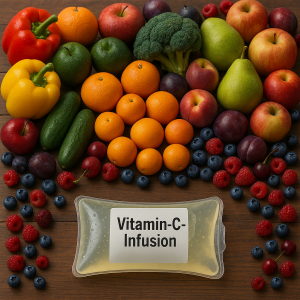

Trousers feel tight, body circumference has grown, and after eating I have to loosen my belt by two or three notches…
Time and again, patients come to my practice after having already seen many doctors and therapists, with extensive diagnostics behind them.
„I have recurring diarrhoea… I don't know what to eat anymore… everything has already been investigated… I have constant migraines… I feel extremely bloated… after eating I am completely paralysed and dead tired… I have been constipated for years… I have already had a gastroscopy / colonoscopy… everything is supposedly fine… I can no longer sleep…they say it must be psychosomatic… and so on, and so on… the list seems endless, but the closing line is often the same… psychosomatic, then — that is the final diagnosis…
But is it really the psyche? Why are these patients often stressed, restless, unbalanced and nervous? Perhaps such symptoms also weigh on the mind, and because of the limitations we can no longer eat „normally“ or no longer dare to leave the house, held back by the fear of embarrassing situations. Then it would actually be somato-psychic — a physical cause producing psychological symptoms. (Soma = body).
Could digestion possibly be the cause?
Naturally, when digestion is incomplete, food components are also only incompletely broken down, and are not made available to the body in sufficient measure for further processing. If our body suffers from deficiencies, it can no longer function like a healthy body. The consequences may be the symptoms described above, but of course also others…
How do we actually work? How does digestion happen?
Our body has a core temperature of around 37 degrees Celsius, and in our digestive tract we host roughly 1.5 to 2 kg (kilograms!) of bacteria. Without these billions of helpers, we could not digest food and could not gain energy from it. So we truly depend on these countless specialists.
Well-chewed food is mixed with saliva in the mouth, where carbohydrates first begin to be broken down. In the stomach, food is disinfected in the „acid bath“ and proteins and fats are prepared for further digestion. In the duodenum, bile fluid tackles the fats, and finally the „pancreatic juice“ arrives, which splits fats, carbohydrates and proteins into the smallest components. From there, food moves on through the small and large intestine. Here, the many bacteria responsible for further processing are settled. We can imagine this region like a gigantic conveyor belt. Each group of workers is responsible for different components and ensures optimal processing of our food. Ultimately, the smallest building blocks usable by the body, as well as hormones and messengers, are formed. It is a thoroughly sophisticated system — everyone knows what to do.
In a person with a healthy gut, food is optimally broken down and converted into the building blocks and energy carriers needed. In people with an unhealthy gut, only parts of the food are properly processed. The remainder serves bacteria as an uncontrolled „party mix“. At 37 degrees and with billions of microbes, fermentation and putrefaction processes occur. Toxic substances and fusel alcohols are produced. These not only place a heavy burden on the liver — they also include substances that can mistakenly occupy certain receptors in the brain. Through the blockade of certain receptors, some processes no longer function properly, or only in a limited way.
Poor sleep, lack of concentration, depressive mood, constipation, diarrhoea or symptoms of exhaustion can be among the consequences.
What matters now is targeted and in-depth diagnostics, beginning with the stool analysis. The stool can show, for example, whether and how food is being digested, how large the individual bacterial populations are, whether the pancreas is functioning well, or whether substances such as fructose or gluten cause difficulties. In addition, where needed, a blood test is used to look for vital micronutrients, enzymes, hormones and their effects.
In summary, my practice carries out intensive diagnostics in order to localise and treat the cause of symptoms as close to their origin as possible.
I am happy to answer any questions. Just call the practice or send me an email.
We will find a mutually convenient appointment at short notice. I look forward to meeting you!
Yours
Marcus Stötzer
0611-34195588
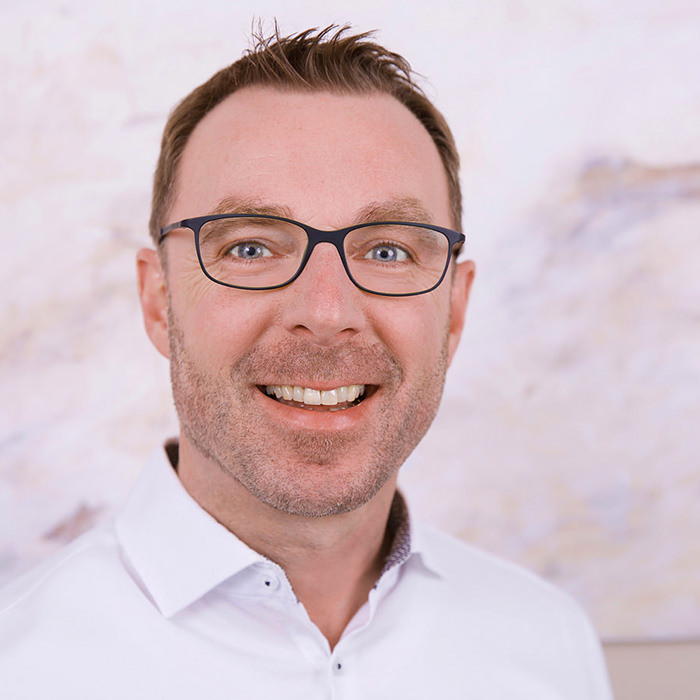
About the author: Marcus Stötzer
Non-medical practitioner · Naturheilpraxis Stötzer Wiesbaden
Areas of focus: infusion therapy, acupuncture according to Boel, oxyvenation, colon hydrotherapy and vital nutrient medicine. Marcus has been supporting his patients for years with a holistic view of the body, energy balance and quality of life.